
How to Prevent Cavities in Kids: A Parent's Complete Guide
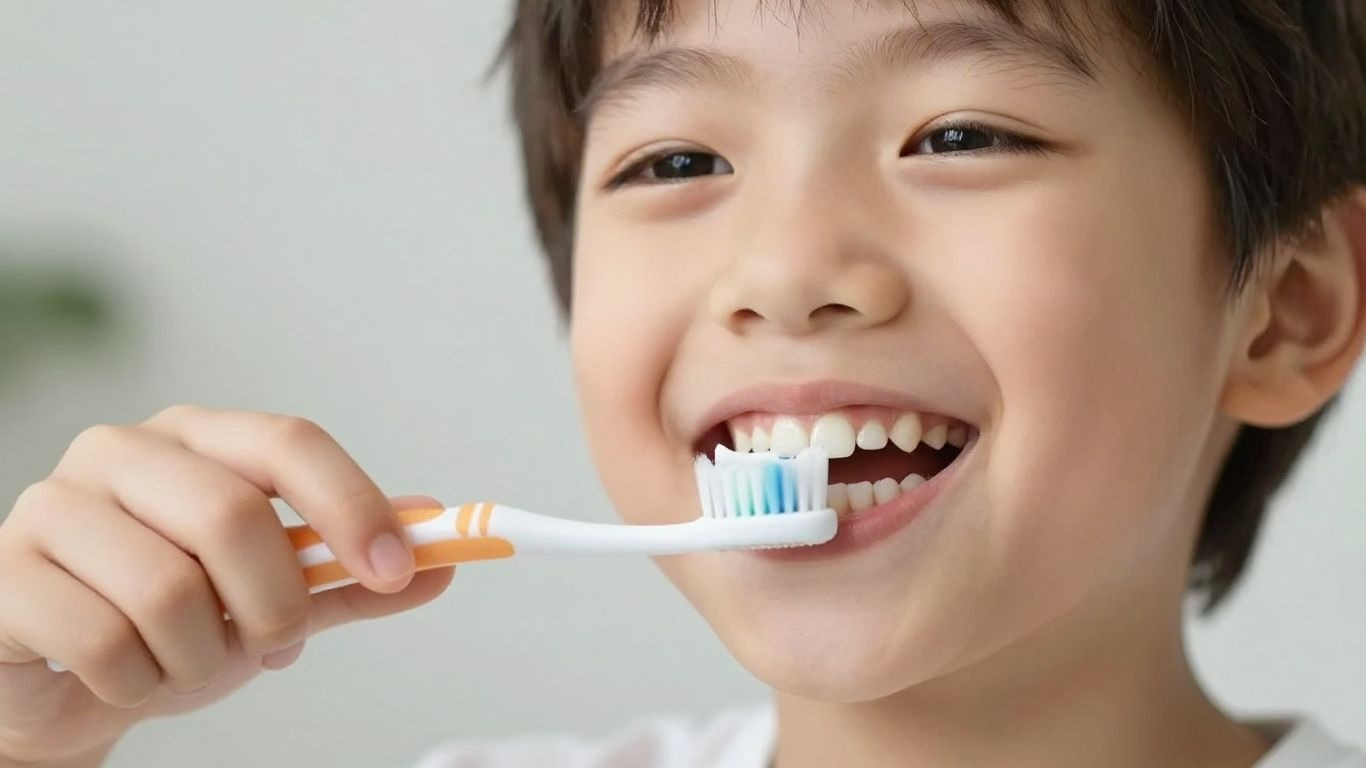
Trying to keep your child's teeth healthy can feel like a never-ending job. Kids love sweets, don't always brush well, and sometimes fight you on flossing. But as a parent, you want to help them avoid cavities and keep their smiles bright. In "How to Prevent Cavities in Kids: A Parent's Complete Guide," we break down simple steps you can take at home, what foods to offer (and which to skip), and when it’s time to see the dentist. You don’t have to be perfect—just a few good habits can make a big difference.
Important Things to Know
- Start cleaning your child's mouth even before teeth come in use a soft cloth or baby toothbrush.
- Help your child brush twice a day with a small amount of fluoride toothpaste, and begin flossing when teeth touch.
- Limit sugary snacks and drinks; offer water and tooth-friendly foods like cheese and veggies instead.
- Take your child for regular dental checkups and ask about sealants for extra protection.
- If you notice any tooth pain or spots, don’t wait to schedule a dental visit right away.
Why Are Kids So Prone to Cavities?
It might seem like kids are just magnets for cavities, and honestly, there are a few reasons why they're more susceptible than adults. For starters, those little mouths are still developing, and their "baby" teeth, while temporary, have thinner enamel than permanent teeth. This makes them a bit more vulnerable to the acid attacks that lead to decay.
Plus, let's be real, kids often have a sweet tooth! Sugary snacks and drinks are everywhere, and when those sugars hang around on teeth, the bacteria in the mouth have a field day. They munch on the sugar and then produce acids, which are the real culprits behind tooth decay. It's a constant battle to keep those acids from wearing down the enamel.
Another big factor is technique. Even when kids are old enough to brush their own teeth, they might not be doing the best job. They can miss spots, not brush long enough, or use too much toothpaste (and swallow it!). It takes time and practice to get brushing just right, and many kids need a helping hand or at least some supervision for quite a while.
The combination of thinner enamel, a love for sugary treats, and developing brushing skills means kids' teeth are often on the front lines of the cavity war. It's not their fault, but it does mean we as parents need to be extra vigilant.
Here's a quick rundown of why kids are more prone:
- Thinner Enamel: Baby teeth have less protective enamel than adult teeth.
- Dietary Habits: Kids often consume more sugary foods and drinks, feeding cavity-causing bacteria.
- Developing Dexterity: Brushing and flossing effectively requires coordination that young children are still learning.
- Frequent Snacking: Constant grazing means teeth are exposed to acids for longer periods throughout the day.
How to Prevent Cavities in Toddlers From an Early Age
It's never too early to start thinking about how to prevent cavities in toddlers. Those tiny teeth are super important, and getting a good routine going now sets them up for a lifetime of healthy smiles. Even before your little one's first tooth pops through, you can start cleaning their gums with a soft, damp cloth after feedings. This helps get them used to having their mouth cleaned and wipes away any lingering milk or formula.
Once teeth start to appear, it's time for a toothbrush! Grab a small, soft-bristled one designed for babies. For the first year or so, just use water to brush. As they get a bit older, around age 2 or 3, you can start using a tiny smear of fluoride toothpaste – think the size of a grain of rice. Using just a little bit of toothpaste is key because toddlers tend to swallow it. You'll want to supervise their brushing closely until they're about 7 or 8 years old, making sure they get all the surfaces of their teeth.
Here are some simple steps to get started:
- Start early: Begin cleaning gums even before teeth erupt.
- Brush twice a day: Use a soft brush and a tiny bit of fluoride toothpaste once teeth appear.
- Supervise closely: Help your toddler brush until they can do it well on their own.
- Limit sugary stuff: Cut back on juices and snacks that stick to teeth.
Remember, consistency is your best friend here. Making brushing a fun part of the daily routine, maybe with a special song or a silly toothbrush, can make a big difference. It might seem like a small thing now, but building these habits early is a huge step in keeping those little teeth healthy and strong.
Cavity Prevention Tips for Kids Every Parent Should Follow
Keeping those little chompers healthy and cavity-free is a big job for parents, but it's totally doable! We're talking about the everyday stuff that makes a huge difference. These cavity prevention tips for kids are your secret weapons.
Brush and Floss the Right Way
This is the big one, folks. Getting kids to brush and floss properly can feel like a battle, but it's so important. Start early, even before teeth pop through by wiping gums with a damp cloth. Once teeth appear, grab a soft-bristled brush. For little ones under 3, a tiny smear of fluoride toothpaste (think rice grain size) is all you need. Once they hit 3, you can bump it up to a pea-sized amount. Supervise brushing until they're about 7 or 8 years old – that's usually when they've got the coordination down. Make sure they brush for a full two minutes, twice a day, hitting all the surfaces and the gumline. And don't forget the tongue! Flossing should start as soon as two teeth touch. It might be tricky at first, but it gets those pesky bits of food out from between teeth where brushing can't reach.
Regular Dental Checkups and Sealants
Think of dental checkups as your kid's smile's pit stops. Visiting the dentist regularly, usually every six months, helps catch any potential problems before they get serious. Dentists can also apply fluoride treatments and dental sealants. Sealants are like a protective shield painted onto the chewing surfaces of back teeth, where cavities love to hide. They can prevent up to 80% of cavities in those spots!
Limit Sugary Drinks and Snacks
Sugar is basically cavity fuel. Every time your child sips on juice or munches on a sweet treat, the bacteria in their mouth have a party and produce acid that attacks tooth enamel. It's not about never having sweets, but about being smart. Try to limit sugary drinks like soda and juice, and save the candy for special occasions. Even seemingly healthy snacks like crackers and chips can turn into sugars in the mouth. Aim for regular meal and snack times instead of constant grazing, giving teeth a break between eating.
Encourage Drinking Water After Meals
Water is your best friend here. It's the ultimate mouth-rinse! Encourage your child to take a few sips of water after meals and snacks. This simple habit helps wash away food particles and sugars, neutralizing acids and keeping their mouth cleaner. Plus, if you have fluoridated tap water, it's an extra boost of cavity protection. It's the best drink choice, hands down, for keeping those little teeth healthy.
Kids Cavity Prevention Diet: Foods That Protect Little Teeth
When we talk about preventing cavities in kids, what they eat plays a pretty big role. It's not just about avoiding candy, though that's part of it. The truth is, lots of everyday foods can contribute to tooth decay if we're not careful. So, what's a parent to do?
Think about it this way: bacteria in your child's mouth love to munch on sugars and starches left behind on their teeth. When they eat, these bacteria have a feast and then poop out acid. This acid is what eats away at tooth enamel, creating those dreaded cavities. The more often your child's teeth are exposed to these sugars and starches, the more acid attacks they face.
The best strategy is to focus on foods that help clean teeth or strengthen enamel, while limiting those that feed the cavity bugs.
Here are some food groups that are great for your child's teeth:
- Crunchy Fruits and Veggies: Think apples, carrots, and celery. Chewing these foods actually helps scrub away plaque and stimulates saliva production. Saliva is your mouth's natural defense system; it helps wash away food bits and neutralizes acids.
- Dairy Products: Cheese, plain yogurt, and milk are fantastic. They're packed with calcium and phosphates, which help rebuild tooth enamel. Cheese, in particular, can also help neutralize acids.
- Lean Proteins: Foods like chicken, fish, and eggs provide phosphorus, another important mineral for strong teeth.
- Water: Seriously, water is your best friend. It rinses away food particles and sugars. If your tap water has fluoride, even better! It helps strengthen enamel.
What about snacks? Instead of reaching for cookies or crackers, try offering a small piece of cheese, some fruit slices, or a handful of nuts (if your child is old enough to chew them safely). These are much better choices for their teeth.
It's not about being perfect, but about making smart choices most of the time. Regular meals and snacks, with water in between, give teeth a break from constant acid attacks. This kids cavity prevention diet approach makes a real difference.
Common Mistakes Parents Make With Kids' Oral Hygiene
It's easy to slip up when you're juggling a million things as a parent, and sometimes, those little oversights can impact your child's dental health. Let's talk about some common pitfalls that can lead to cavities, even when you're trying your best.
One biggie is not starting early enough. We're talking about cleaning your baby's gums even before teeth pop through. It gets them used to having their mouth cleaned and helps clear away any early bacteria. Then, as soon as that first tooth appears, it's time for a soft brush and a tiny smear of fluoride toothpaste – seriously, just a rice grain's worth for little ones under three. Too much toothpaste can be swallowed, and while fluoride is good, too much can cause issues.
Another common mistake is thinking your child can brush effectively on their own too soon. Most kids don't have the fine motor skills to really get their teeth clean until they're around 7 or 8 years old. That means you'll likely need to supervise and even do a 'touch-up' brushing yourself for a while. Don't just stand there and watch; show them how to angle the brush and get all the surfaces, especially along the gumline.
Here are a few more things parents sometimes miss:
- Skipping the Floss: Just like with brushing, kids need help flossing. Start as soon as two teeth touch. It might seem like a hassle, but it gets those tricky spots between teeth where cavities love to hide.
- The 'Anything Goes' Snack Drawer: While we all want to treat our kids, constant access to sugary or starchy snacks is a cavity creator. Think about it: every time they snack, their teeth get hit with acids. Try to stick to set meal and snack times and offer tooth-friendly options like cheese, fruits, and veggies.
- Relying Solely on Brushing: Brushing is super important, but it's not the only defense. Regular dental checkups are key for catching problems early and getting professional advice. Also, don't forget about things like dental sealants, which act like a shield on the chewing surfaces of back teeth.
- Using Drinks as Pacifiers: Letting babies or toddlers fall asleep with a bottle of milk or juice is a fast track to 'baby bottle tooth decay.' The sugars just sit on their teeth all night. If they need a bottle to sleep, make sure it's filled with plain water.
It's not about being perfect, but about being aware of these common slip-ups. Small, consistent efforts make a huge difference in protecting your child's smile long-term. Don't be afraid to ask your dentist for tips tailored to your child's specific needs.
Finally, don't use dental visits as a threat. If your child is scared of the dentist, try to make it a positive experience. Frame it as a way to keep their teeth strong and healthy, not as a punishment for not brushing well enough.
When to See a Dentist If Your Child Already Has a Cavity
Even with the best efforts, sometimes cavities happen. Don't beat yourself up about it! The most important thing is to catch it early and get it fixed. If you notice any of these signs, it's time to call the dentist:
- White spots on teeth: These can be an early sign of enamel weakening, sometimes before a full cavity forms.
- Tooth pain or sensitivity: If your child complains about their tooth hurting, especially when eating something sweet, hot, or cold, that's a big clue.
- Visible holes or dark spots: If you can actually see a pit or a dark discoloration on your child's tooth, it's likely a cavity.
- Bad breath that doesn't go away: Sometimes, decay can cause persistent bad breath.
Don't wait for a cavity to become a major problem. Untreated cavities can lead to more serious issues like infections, pain that makes it hard to eat or sleep, and even problems with how their permanent teeth grow in later. Getting it checked out by a dentist means they can fix it with a simple filling, keeping your child's smile healthy and comfortable.
It's easy to feel guilty if your child gets a cavity, but remember, kids' teeth are still developing and can be more vulnerable. The key is to address it promptly and learn from it to strengthen your prevention routine moving forward.
Book Your Child's Dental Checkup Today
Alright parents, we've talked a lot about brushing, flossing, and what foods are good or bad for those little chompers. But all that daily effort really needs a partner, and that's where regular dental checkups come in. Think of it like this: you wouldn't skip your car's oil change, right? Same idea for your kiddo's teeth.
These visits aren't just about finding problems; they're super important for catching things early, sometimes before you'd even notice them. Dentists have special tools and eyes for spotting tiny issues that could turn into big headaches (and bigger bills!) down the road. Plus, they give those teeth a professional cleaning that’s way better than what we can do at home.
Here’s what you can expect during a typical checkup:
- A good cleaning: Getting rid of all that plaque and tartar buildup.
- A thorough check: Looking for any signs of cavities, gum problems, or other issues.
- Fluoride treatment: A little extra boost to make those teeth stronger.
- Sealants (if needed): These are like little shields for the back teeth where cavities love to hide.
Don't wait until something hurts to make an appointment. Proactive care is the name of the game when it comes to keeping your child's smile healthy for years to come. It's an investment in their overall well-being.
So, what are you waiting for? Let's get that appointment booked! A healthy smile starts with a visit to the dentist. You can usually book online or just give the office a call. It’s a small step that makes a huge difference.
Keep Those Smiles Shining!
So, we've talked a lot about brushing, flossing, and what snacks are good or not so good for tiny teeth. It might seem like a lot, but really, it boils down to a few simple things. Making brushing a fun part of the day, watching out for too much sugar, and seeing the dentist regularly are the big ones. You're doing a great job just by reading this! Remember, building these habits now helps your kiddo have a healthy smile for years to come. It’s all about making it a normal, everyday thing, and before you know it, they’ll be brushing like pros.
Frequently Asked Questions
How can I tell if my child has a cavity?
You might notice your child complaining about tooth pain, especially when eating or drinking something sweet, hot, or cold. Sometimes you can see white spots, brown spots, or holes on their teeth. If you notice any of these signs, it's best to visit the dentist for a checkup.
When should my child first visit the dentist?
Your child should visit the dentist by their first birthday or within six months after their first tooth comes in. Early visits help spot problems early and get your child used to the dentist.
How often should kids brush and floss their teeth?
Kids should brush their teeth twice a day—once in the morning and once before bed. Flossing should start as soon as two teeth touch. Parents should help or supervise brushing and flossing until kids are about 7 or 8 years old.
Are dental sealants safe and do they really help?
Yes, dental sealants are safe. They are thin coatings placed on the chewing surfaces of back teeth to protect them from cavities. Sealants can reduce the risk of cavities by up to 80% in these areas and last for several years.
What foods are best for my child’s teeth?
Foods like cheese, yogurt, leafy greens, apples, carrots, and nuts are great for teeth. They help keep teeth strong and clean. Try to limit sticky or sugary foods and drinks, as they can lead to cavities.
Is fluoride safe for children?
Fluoride is safe for kids when used properly. It helps make teeth stronger and protects against cavities. Use a small amount of fluoride toothpaste and make sure your child spits it out instead of swallowing. If you have questions about fluoride in your water or toothpaste, ask your dentist.
Blog Post Author

Contributed by DentalROI
DentalROI provides relevant dental content to help providers educate patients. The statements, services, and products referenced in this article have not been evaluated by the Food and Drug Administration, and they are not intended as a substitute for professional medical advice, diagnosis, or treatment. Always seek the advice of your dental provider with any questions or issues you may have. Specific recommendations may vary in different circumstances, so individual consultation is important.